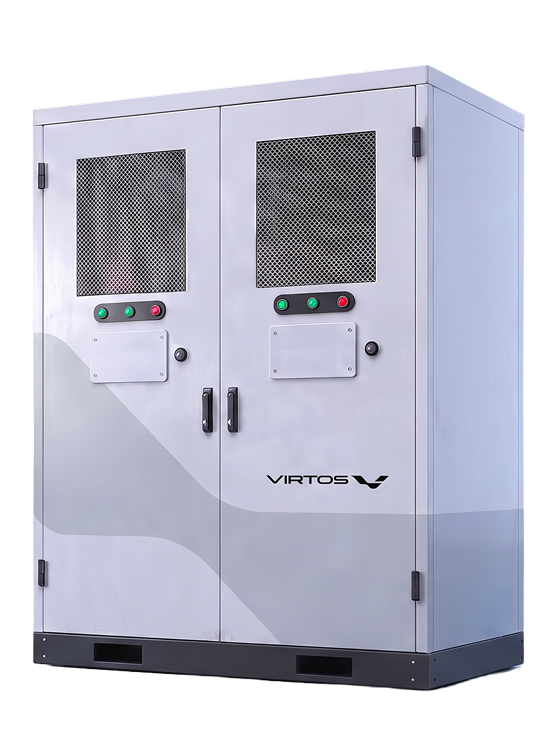
The grid connection is a standard BESS front-end, compliant with grid codes worldwide. It presents to the network as a single, load-only device rather than a complex bi-directional arrangement, which simplifies the connection application and shortens approval timelines. For larger systems the transformer can be integrated into the grid connection container, removing the need for a separate transformer house on site.
The battery sits directly on the DC bus between the grid interface and the charge array. DC coupling removes an entire conversion stage, which cuts losses and lets the battery respond immediately to charging demand. It charges during quiet periods and discharges to support high-power sessions, giving the platform output beyond the instantaneous grid import limit. Capacity is sized per site against fleet charging profiles and available grid capacity.
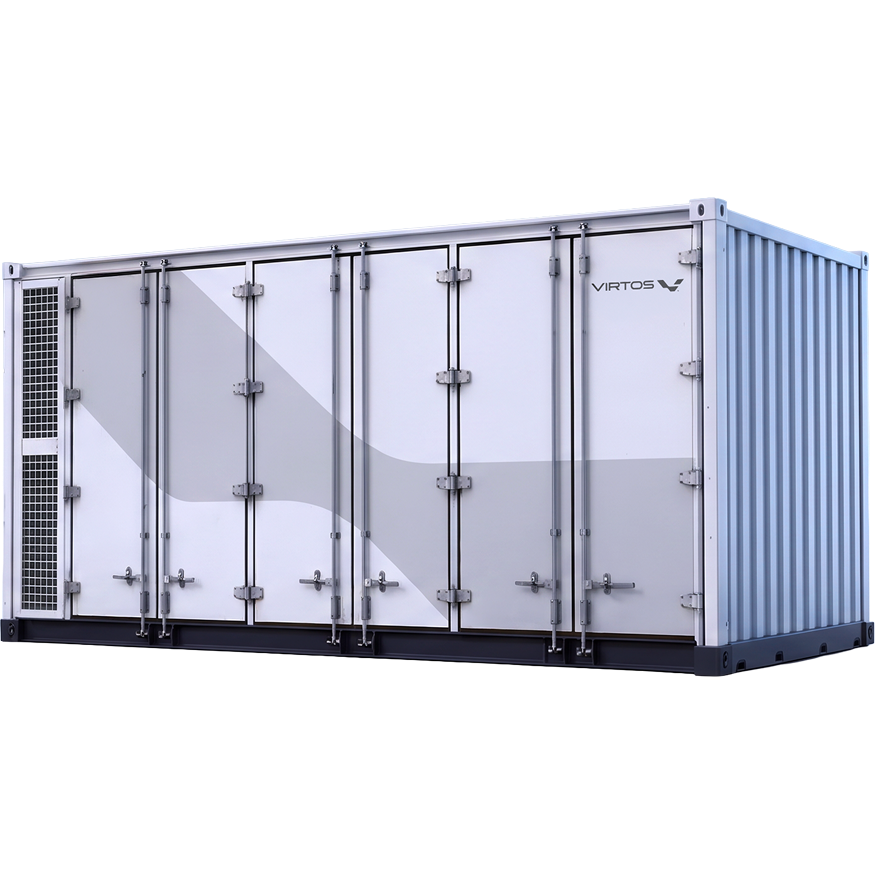
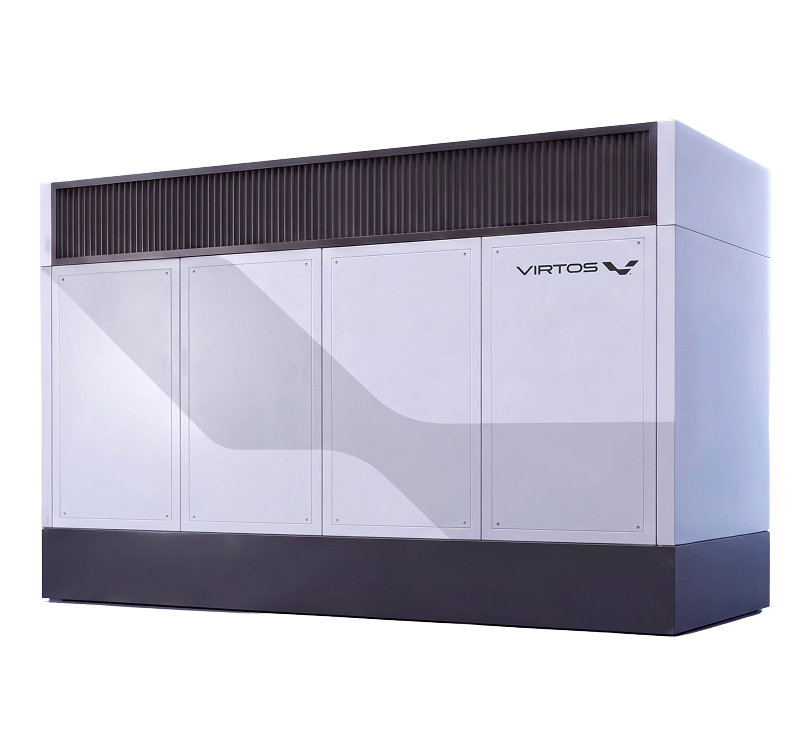
The charge array distributes the shared power pool across the site. Power modules connect flexibly to dispensers, giving full control over power levels, redundancy and operating points. Dedicated power can be allocated per dispenser where a commercial duty cycle requires guaranteed output. Modules can be safely serviced or replaced while the rest of the site keeps operating.
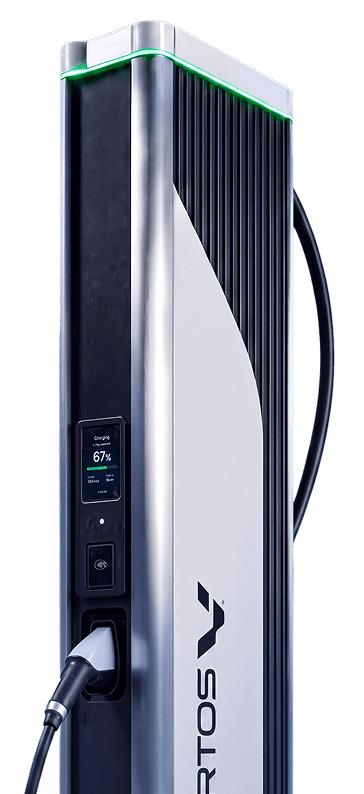
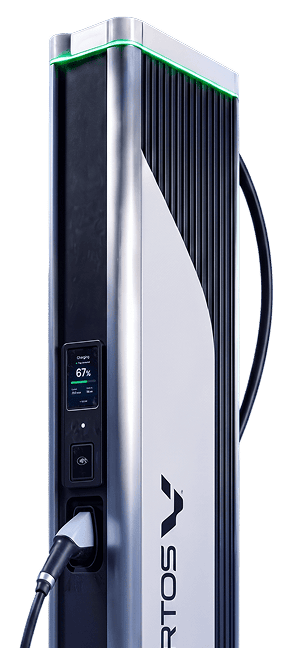
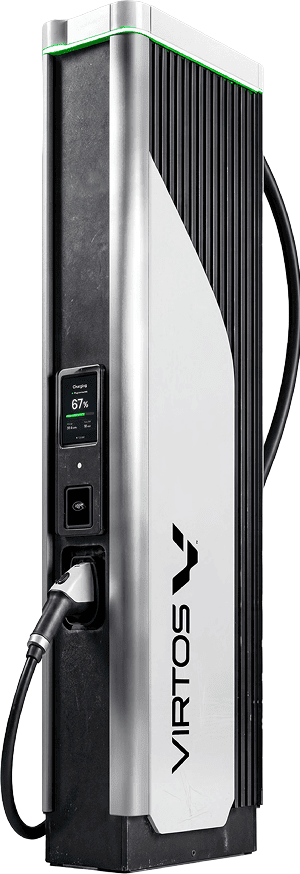
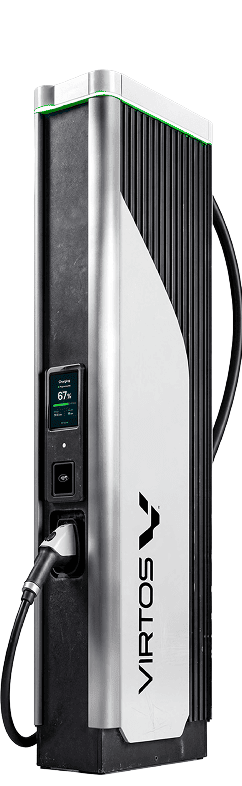
Dispensers are the one part of the platform designed to change. Mixed fleets are supported from day one, with CCS and MCS on the same site, and dispensers can be upgraded as connector standards and vehicle capability move. The backbone stays where it is.

.png)